Personal · 2021
Overview
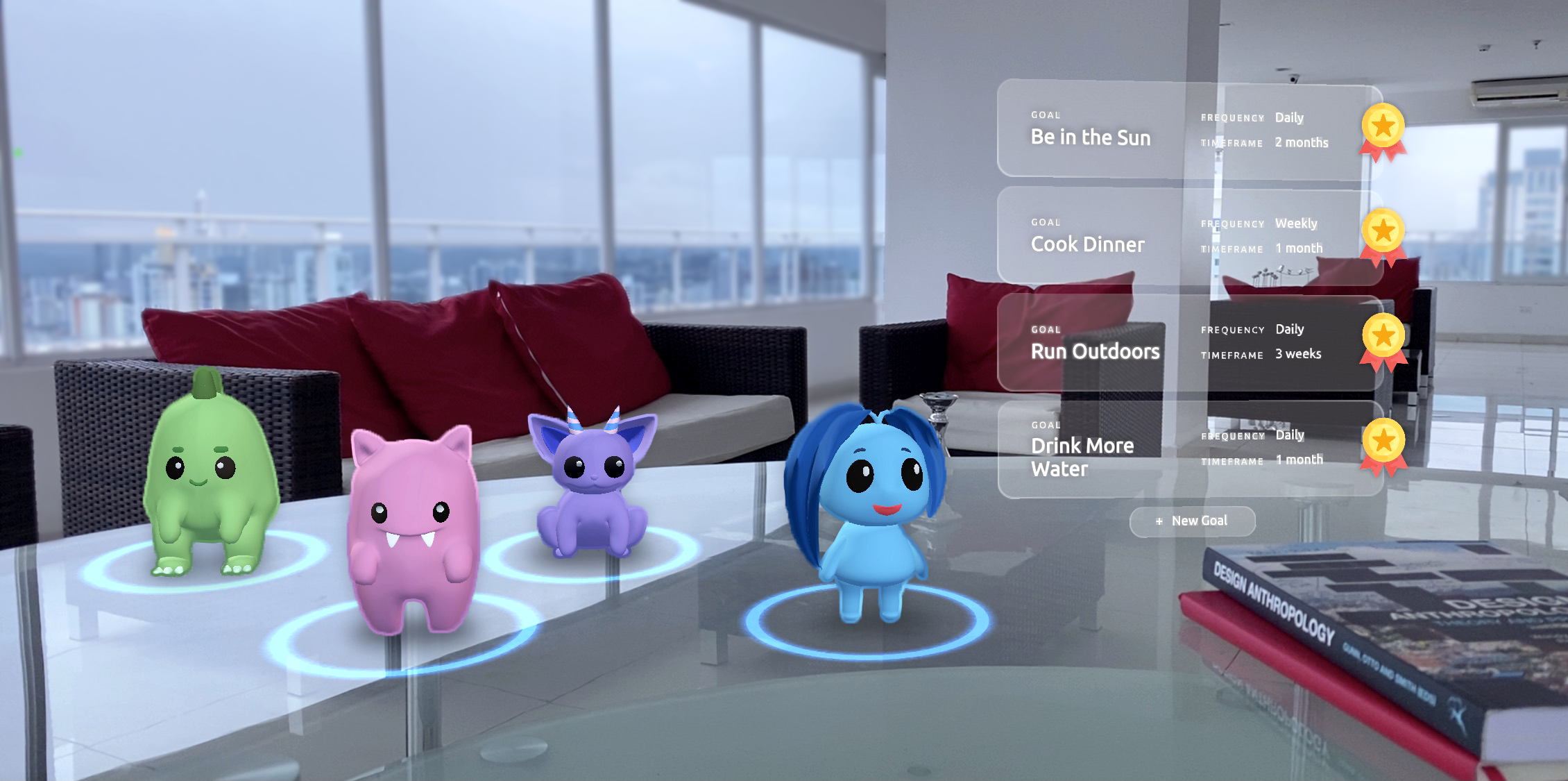
How can virtual pets help us work towards our goals? This is a mixed reality concept exploring how we can translate our instinct to care for virtual companions into motivation to help ourselves build better habits. By tying a pet's growth and happiness to real-world habit completion, the project turns personal goals into something you don't want to let down.
Framework
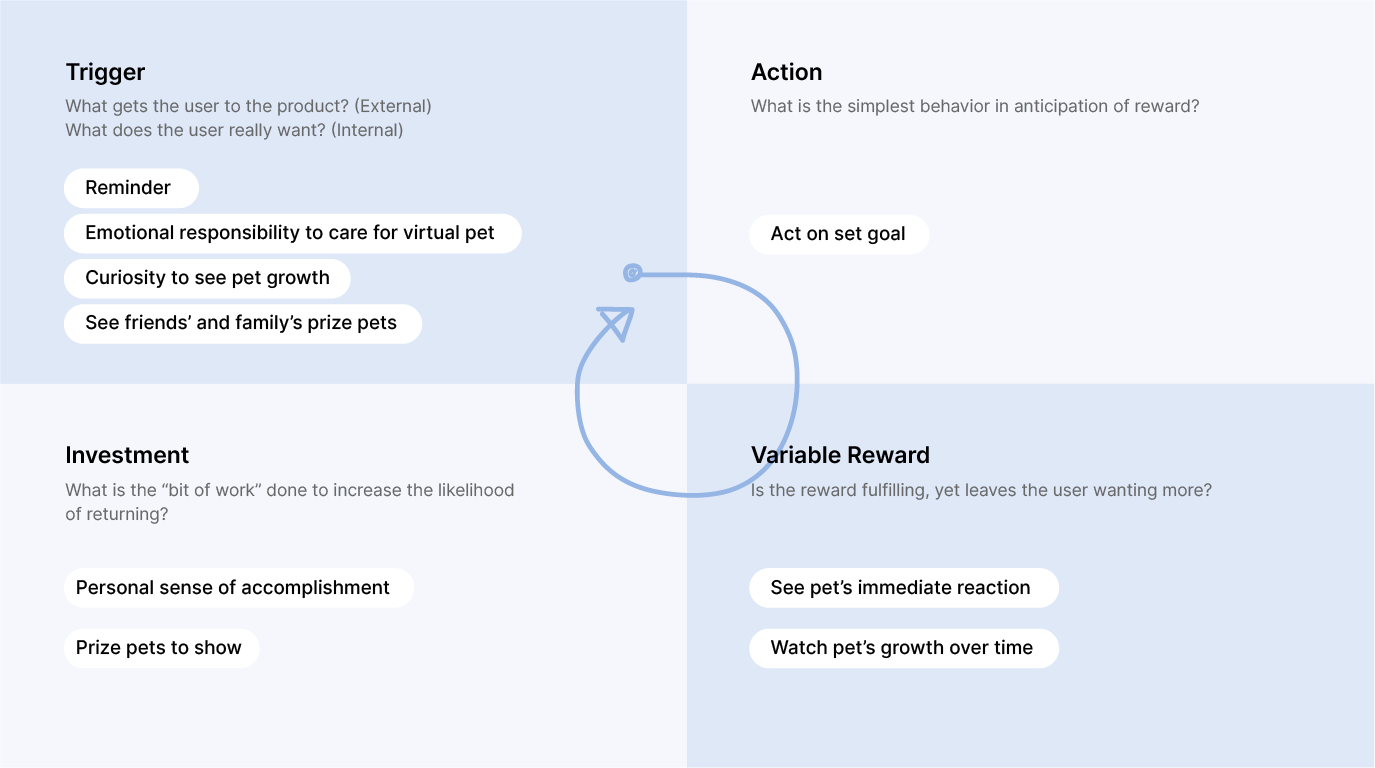
The concept is grounded in Nir Eyal's Hook Model — a four-phase loop of trigger, action, variable reward, and investment that underlies habit-forming products. Rather than using this model to create compulsive engagement, the goal here is to redirect it toward meaningful personal development: the "investment" is your habit, and the reward is a companion that grows with you.
Design
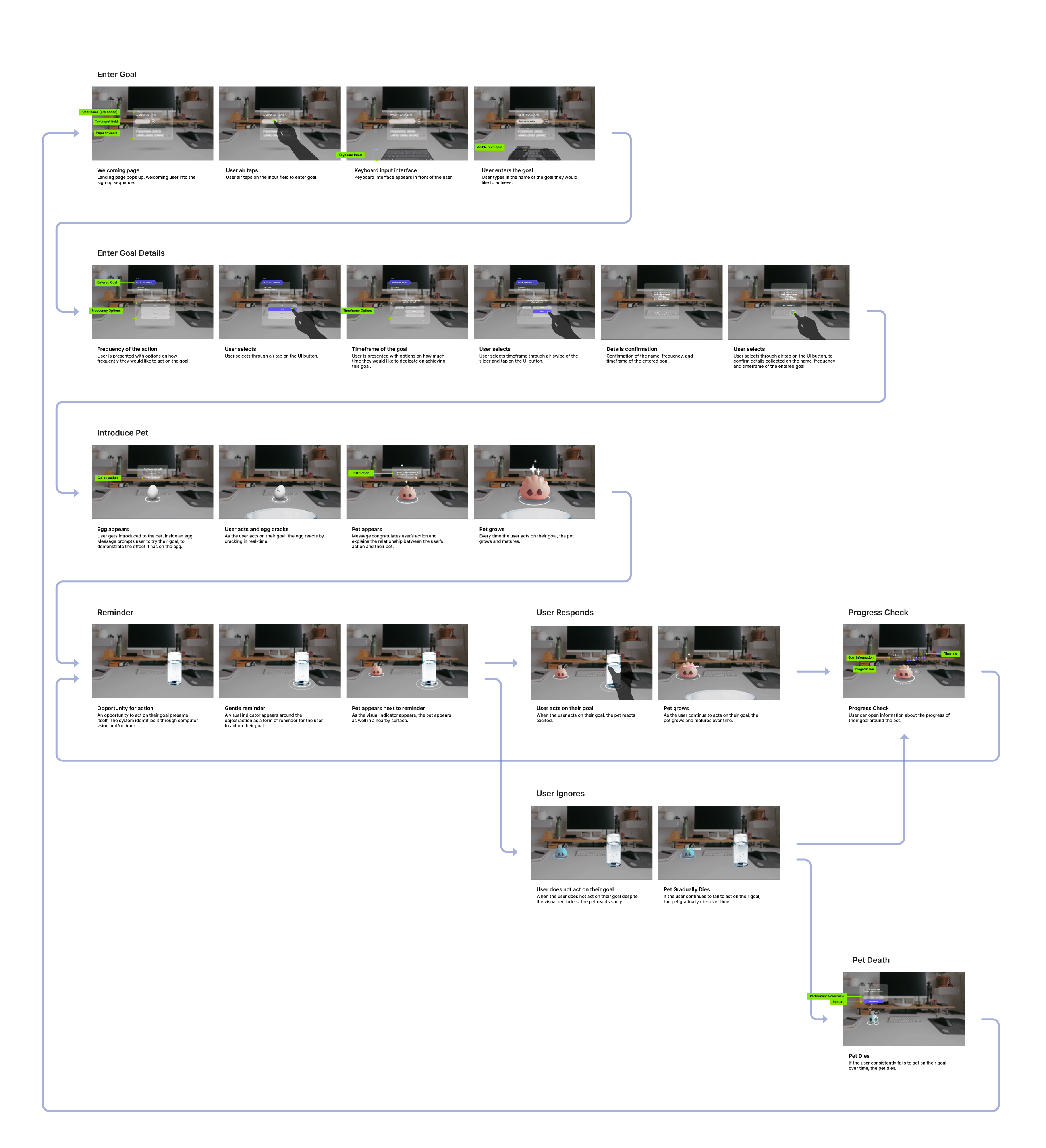
The experience begins with setting a goal and choosing a companion. Each day, completing your habit feeds and evolves your pet — missing it affects them visibly. The pet lives in AR alongside you, making the relationship feel spatial and present rather than confined to a screen. I mapped the full user journey from onboarding through daily habit loops and long-term growth.

Process
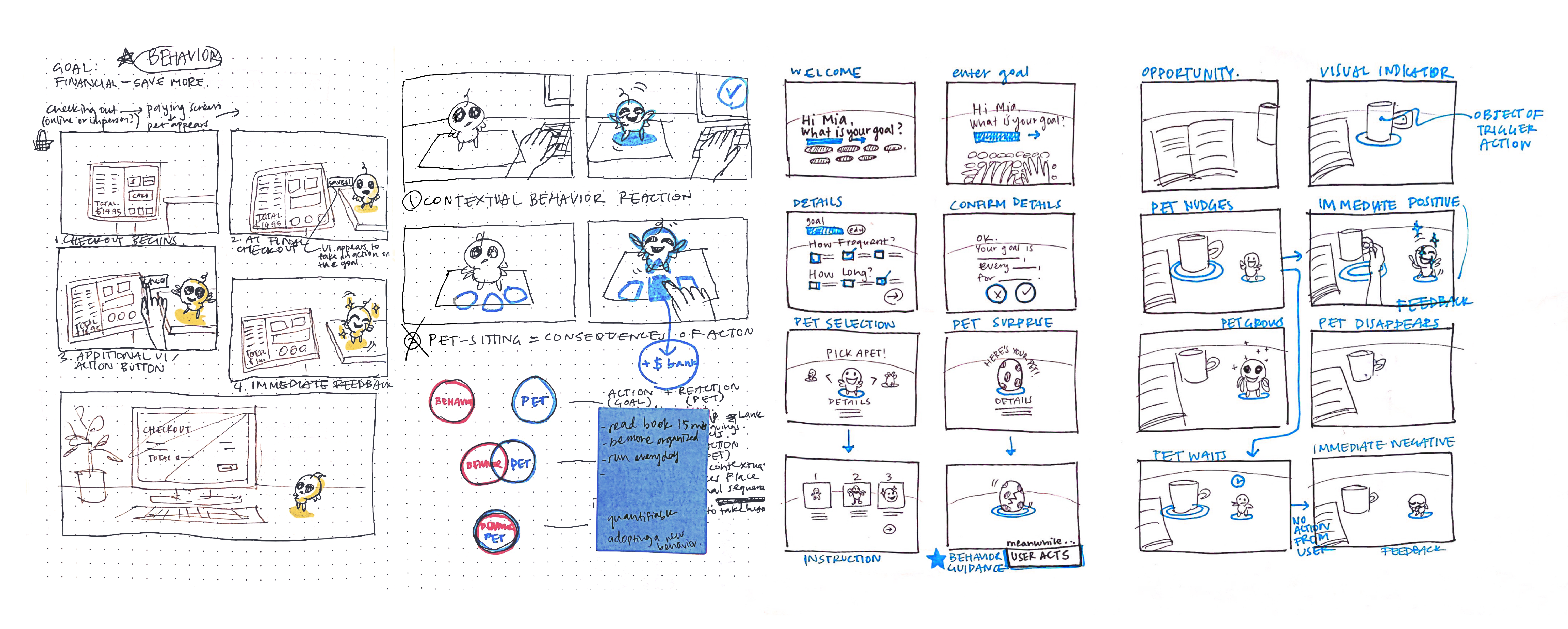
Early ideation focused on the emotional relationship between user and companion — what makes you care about a virtual creature, and how do you translate that care into consistent action? I worked through the flows in sketchbooks and detailed storyboards before moving to digital tools.
Prototyping
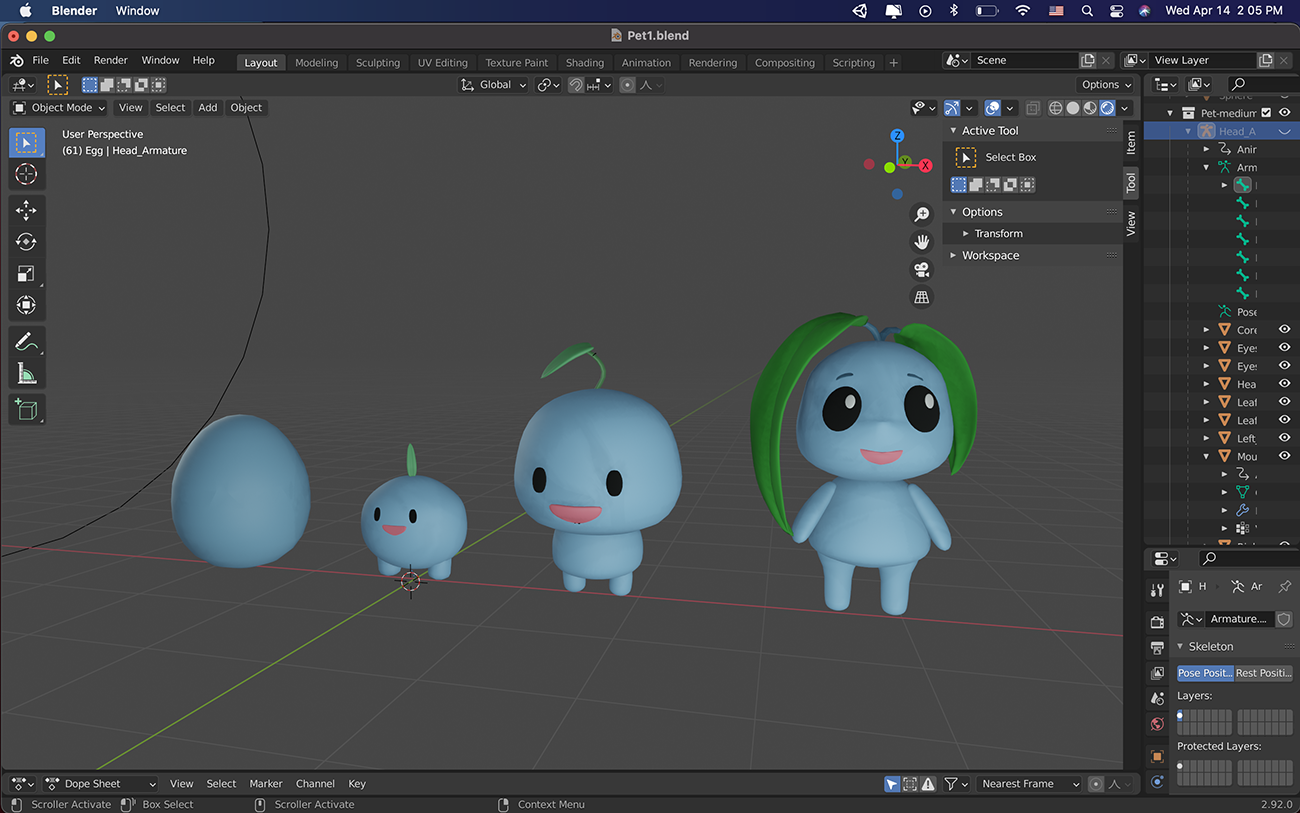
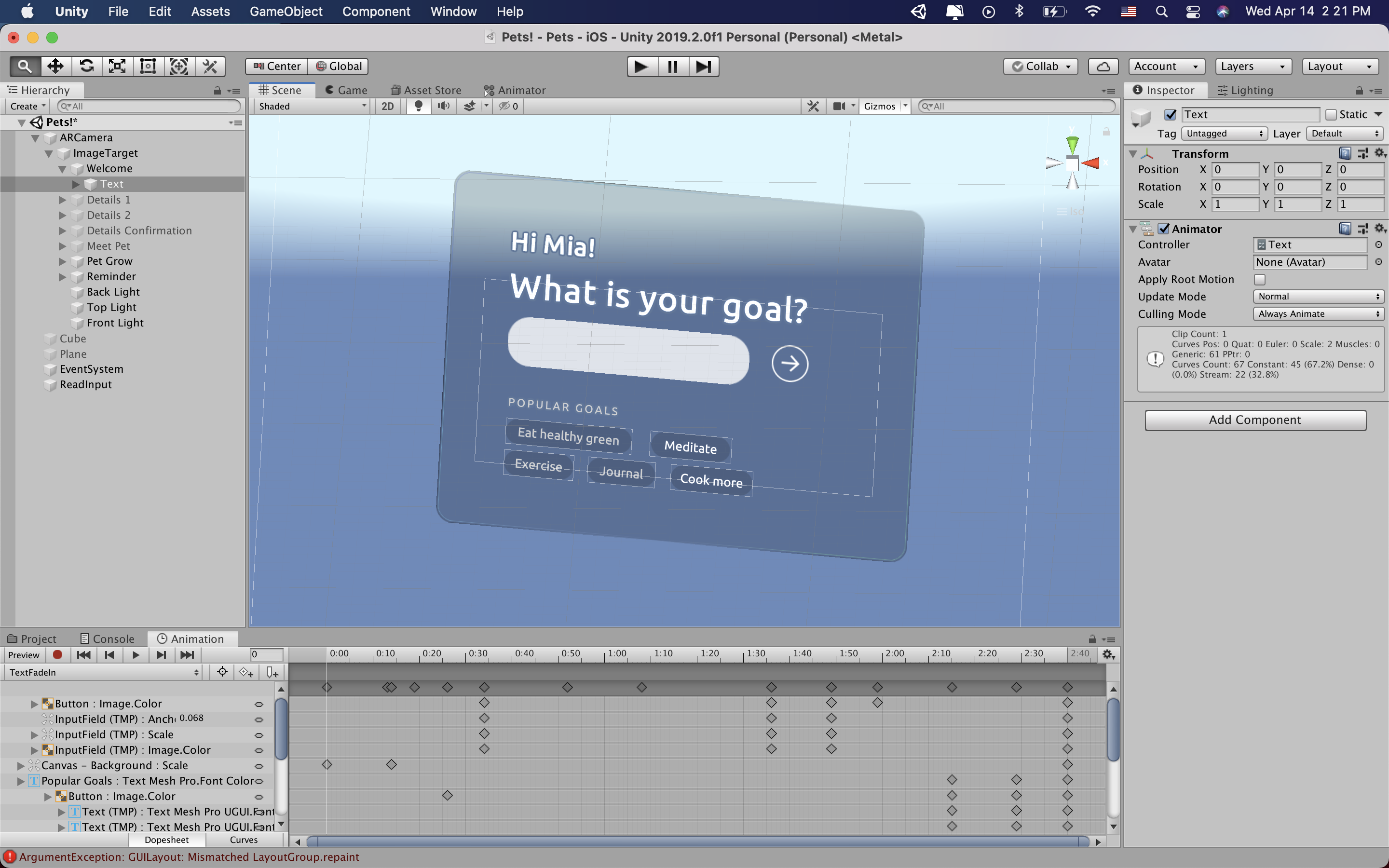
The prototype was built in Unity 3D with custom 3D assets modeled in Blender and UI designed in Figma. I implemented the core habit-tracking loop, pet reaction states, and AR placement so the companion could live convincingly in real environments.

Highlights
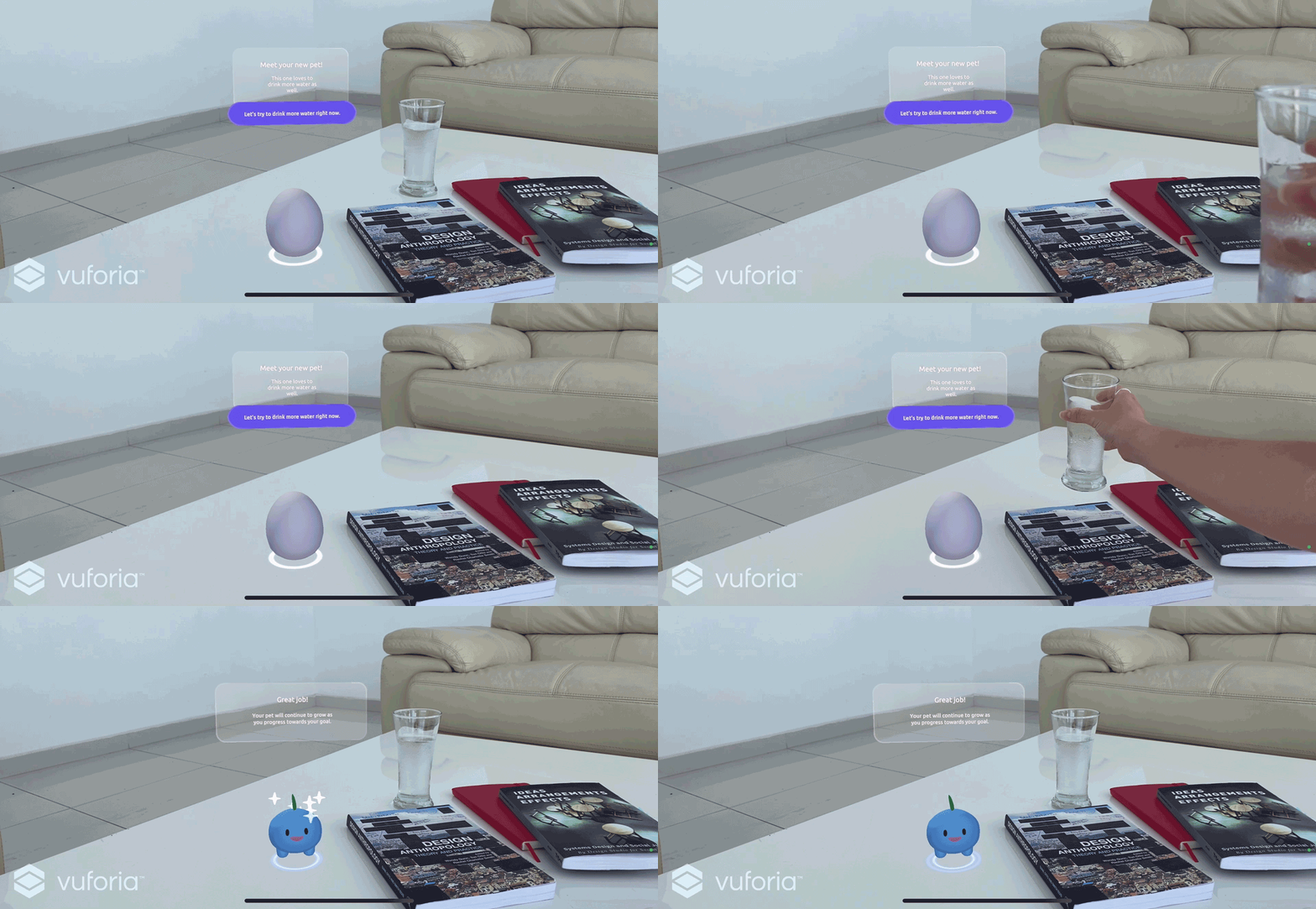
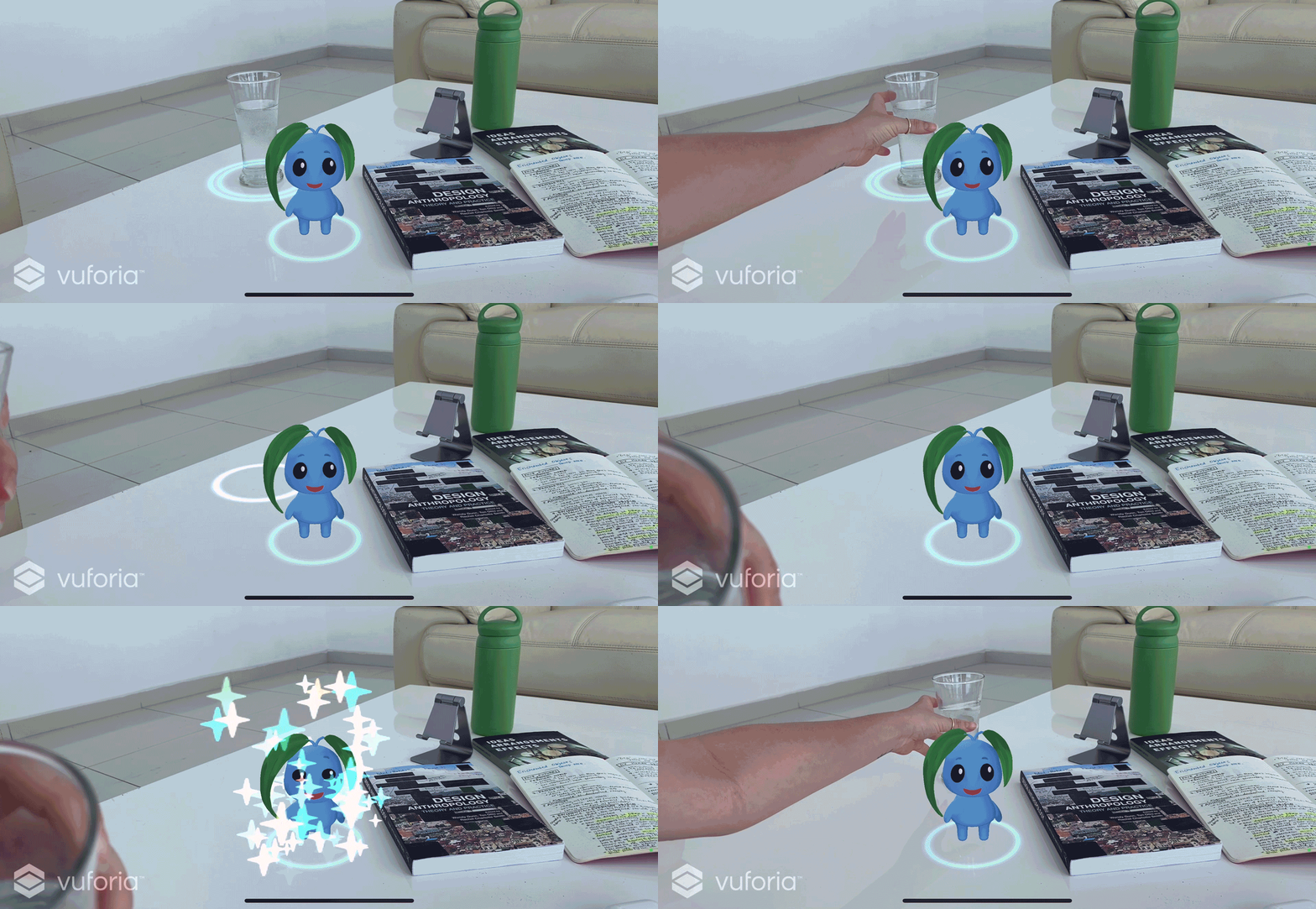
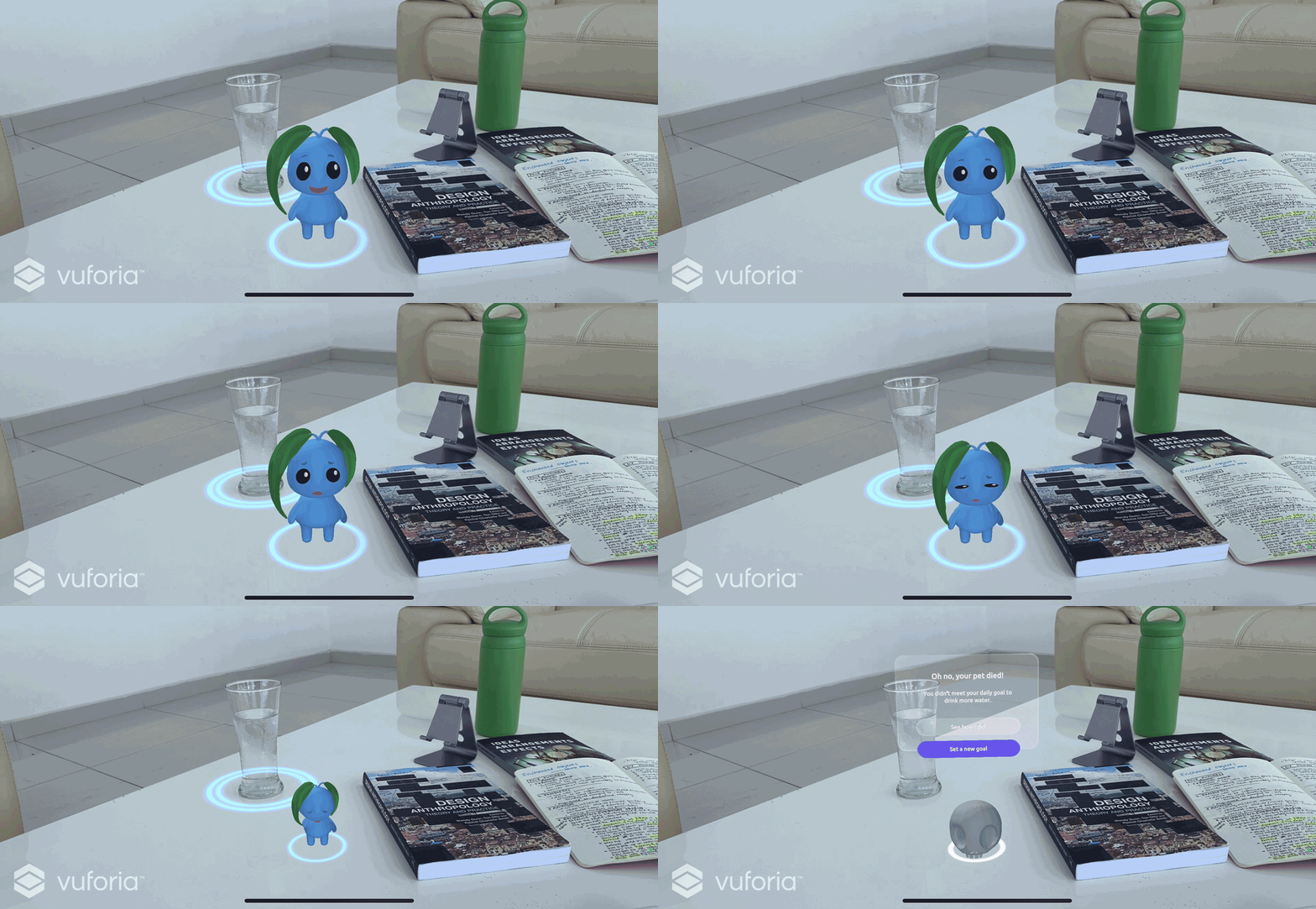
The final prototype demonstrates the core emotional loop — introduction, positive reinforcement when a habit is completed, and the subtle negative reaction when it's missed. The pet collection view shows progression over time.

Reflection
This project sits at the intersection of behavioral design, emotional attachment, and spatial computing. The most interesting design question it surfaces is about external versus internal motivation — can a virtual companion bridge the gap between wanting to build a habit and actually doing it? I think the answer is yes, as long as the relationship feels genuine rather than transactional.